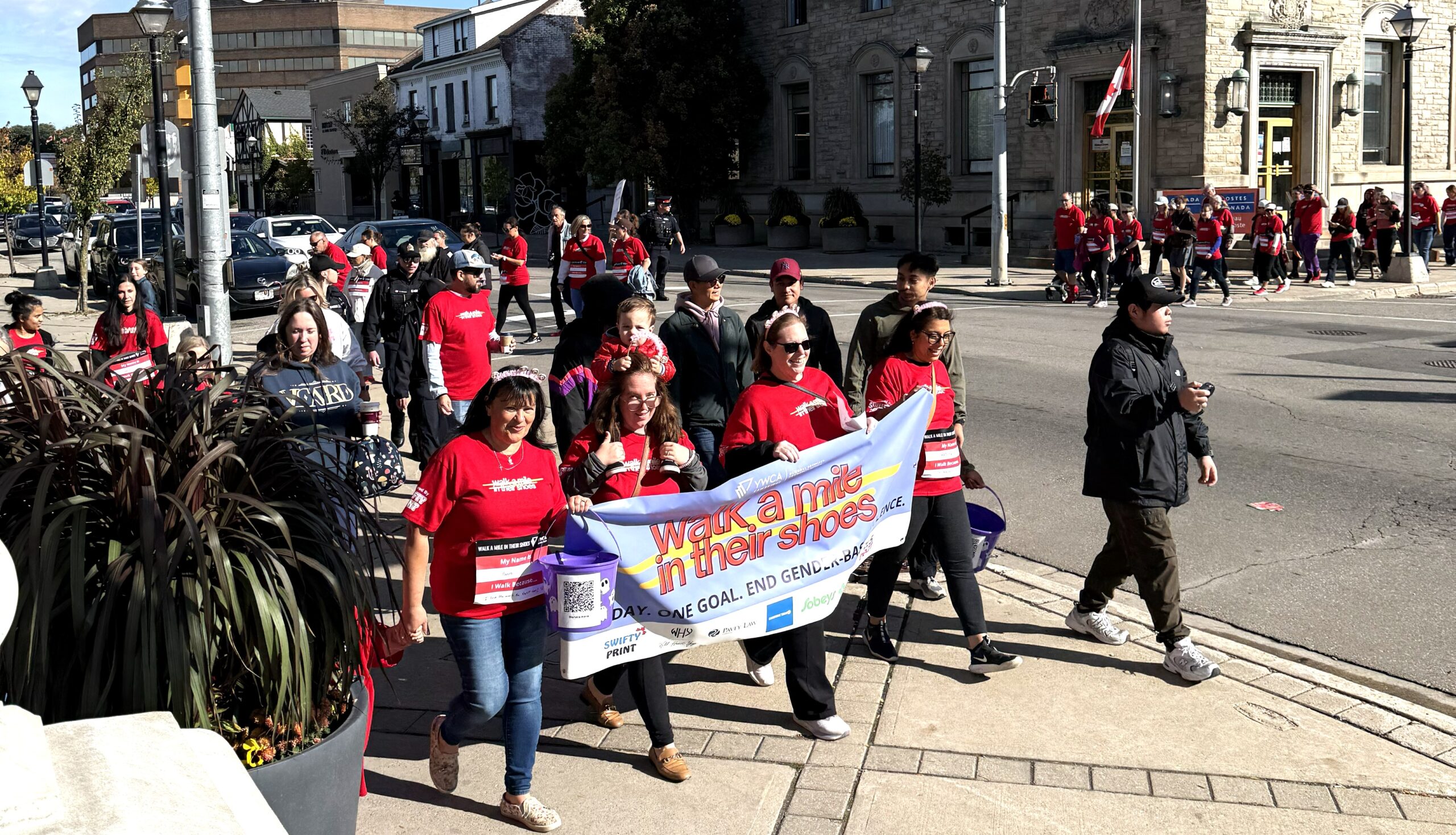
Below is a submission provided to the Ontario Government by the YWCA Ontario coalition as part of the province’s 2026 budget consultations.
Introduction
YWCA Ontario is a coalition of 10 YWCAs across the province, from Niagara Region to Sudbury. Together, through our range of programs and services, we support women, girls, and gender diverse people to live free from violence, find safe and deeply affordable housing, access affordable child care, gain training and employment opportunities and build meaningful futures.
Each year, our programs reach tens of thousands of Ontarians through our shelters, deeply affordable housing, child care, youth and family programs, employment and training programs, and anti-violence services. This work keeps communities safe, strengthens families, and contributes directly to Ontario’s economic growth. Our work directly aligns with provincial strategies and priorities, connecting housing affordability to equity and community wellbeing outcomes.
Ontario’s non-profit sector, of which YWCA Ontario is a key part, contributes as much to the province’s GDP as the auto and construction industries, totalling $65 billion, and employs 844,000 Ontarians, the majority of whom are women. Investing in non-profit organizations like our YWCA member associations is not only a social investment; it is an economic strategy that builds a more resilient, inclusive, and productive Ontario. For every $1.00 of investment, non-profit organizations generate up to $2.18 in GDP impact.
We urge the Government of Ontario to partner with the non-profit sector through stable, multi-year operational funding and capital investment in community infrastructure that delivers housing, child care, and economic opportunities to women and families across the province.
Protecting Ontario’s Economy and Workers
Economic growth depends on ensuring all Ontarians, especially women and gender diverse people, who make up more than 50 percent of our population, can work, live, and care for their families safely and affordably. When survivors of violence and people experiencing homelessness and those at risk of homelessness have stable housing and wraparound supports available to them, they can move toward independence and workforce participation.
Recommendations:
- Sustain and expand employment and training programs for women and gender diverse people, especially survivors of violence, newcomers, and racialized women.
- Provide adequate operational funding to stabilize violence against women shelters and housing programs that help women transition from crisis to stability, employment, and independence.
- Recognize the non-profit sector as the major economic driver it is. Investments in YWCA Ontario programs strengthen Ontario’s labour force and local economies.
Creating More Jobs
YWCAs across the province are delivering employment and skills training, job readiness, and youth leadership programs that connect participants to Ontario’s growing sectors. These programs help survivors of gender-based violence and homelessness rebuild confidence, gain financial independence, and, in turn, contribute to the economy.
Recommendations:
- Fund community-based training and employment programs tailored to women and gender diverse people entering or re-entering the workforce or looking to up/reskill in in-demand fields.
- Support leadership and mentorship programs for girls and gender diverse youth to build pathways into trades, STEM, and entrepreneurship.
- Ensure job creation strategies explicitly include non-profit social enterprises and community-based employers as partners.
Affordable Housing and Violence Prevention
Housing and safety are the foundation for economic stability. Without a safe home, it is impossible to maintain employment or care for one’s family. Every dollar invested in housing and anti-violence supports reduces future costs in healthcare, justice, and social services.
Recommendations:
- Increase operational funding for violence against women shelters, transitional housing, and supportive housing programs that move women and gender diverse people from homelessness and/or precarious housing and violence to stability.
- Increase funding for wraparound and day services such as mental health supports, counselling, financial literacy, and job-readiness services that lead to long-term independence.
- Establish a shelter allowance re-housing fund to reduce homelessness among social assistance recipients in Ontario.
Child Care Affordability, Access, and Infrastructure
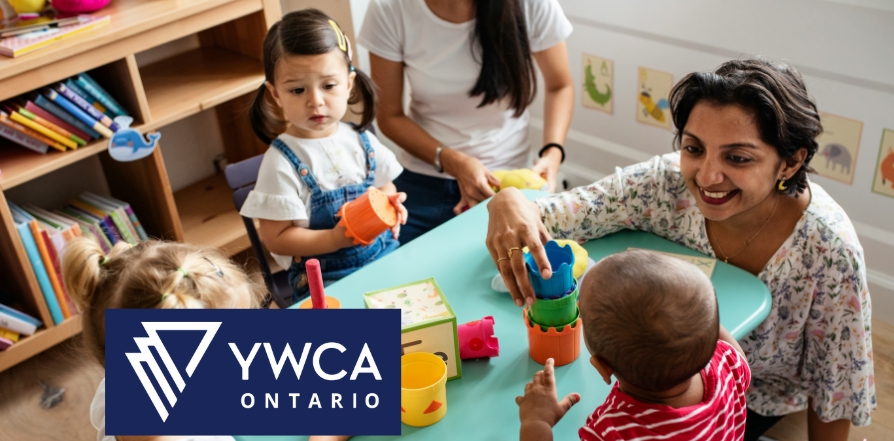
Affordable, accessible child care is one of the most effective ways to reduce costs (or increase income) for families and grow the economy. Ontario’s child care system should depend on non-profit service providers, which operate with accountability and community focus, directing any profits toward improving the quality of care they provide, rather than to shareholders as private child care operators do.
The success of the Canada–Ontario Early Learning and Child Care (CWELCC) agreement depends on both capital and operating investments. Without these, new $10-a-day spaces cannot be built or sustained.
Recommendations:
- Establish a dedicated capital fund for non-profit and public child care providers to build, renovate, and expand licensed spaces, prioritizing geographic areas of highest need.
- Provide operating funding that covers the true cost of care, including fair wages for early childhood educators, maintenance, and inflationary costs.
- Ensure that reputable non-profit operators are eligible and prioritized for capital grants and streamlined approvals to meet Ontario’s child care targets.
- Expand flexible child care options, including extended hours and on-site child care at employment or housing programs, to support women returning to work.
Delivering Better Services
Non-profits like Ontario YWCAs deliver essential frontline services that government relies on, including shelters, child care centres, housing, and employment programs that reach people where they are. These services are cost-effective, community-driven, and outcome-focused.
Recommendations:
- Shift to core, multi-year operational funding for violence against women shelters, housing, child care, and employment services to ensure stability and reduce administrative burden.
- Incentivize collaboration and integrated service delivery between organizations, which is led by those organizations, recognizing that housing, safety, child care, and employment supports are interconnected.
- Fund data, evaluation, and digital capacity in non-profit organizations to support outcomes measurement and meet funder reporting requirements.
Getting Critical Infrastructure Projects Built
YWCAs across Ontario are ready to partner in delivering critical community infrastructure such as deeply affordable and supportive housing, child care centres, and community resource centres. These projects create construction jobs, improve affordability, and build long-term public assets. Many of us have capital projects in housing and shelter underway or shovel-ready and need this government’s investment.
Recommendations:
- Include non-profit-led housing and child care projects in Ontario’s capital investment and infrastructure plans.
- Provide access to public land, low-interest financing, and capital grants for non-profit developers delivering affordable and supportive housing.
- Invest in green building retrofits and energy upgrades to reduce emissions and operating costs for community facilities.
- Recognize child care centres, shelters, and community hubs as critical public infrastructure that should receive the same level of priority as roads, hospitals, and schools.
Conclusion
Investing in Ontario YWCAs means investing in Ontario’s economy, workforce, and future. Our programs move women and gender diverse people from crisis to independence, from homelessness to employment, and from violence to safety and stability.
By funding non-profit-led housing, child care, and employment infrastructure, and providing stable operational support, the Government of Ontario can ensure prosperity that includes everyone.