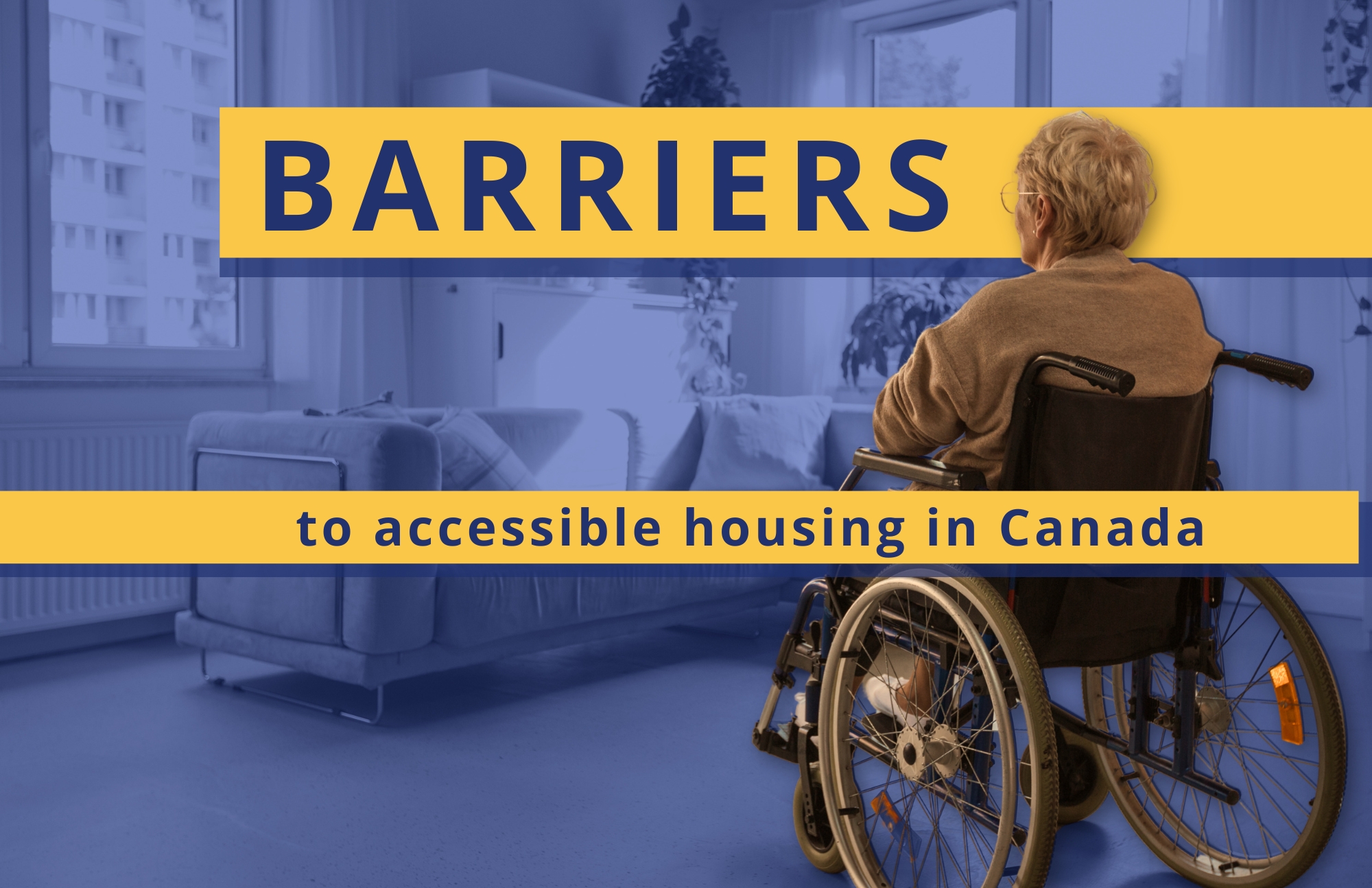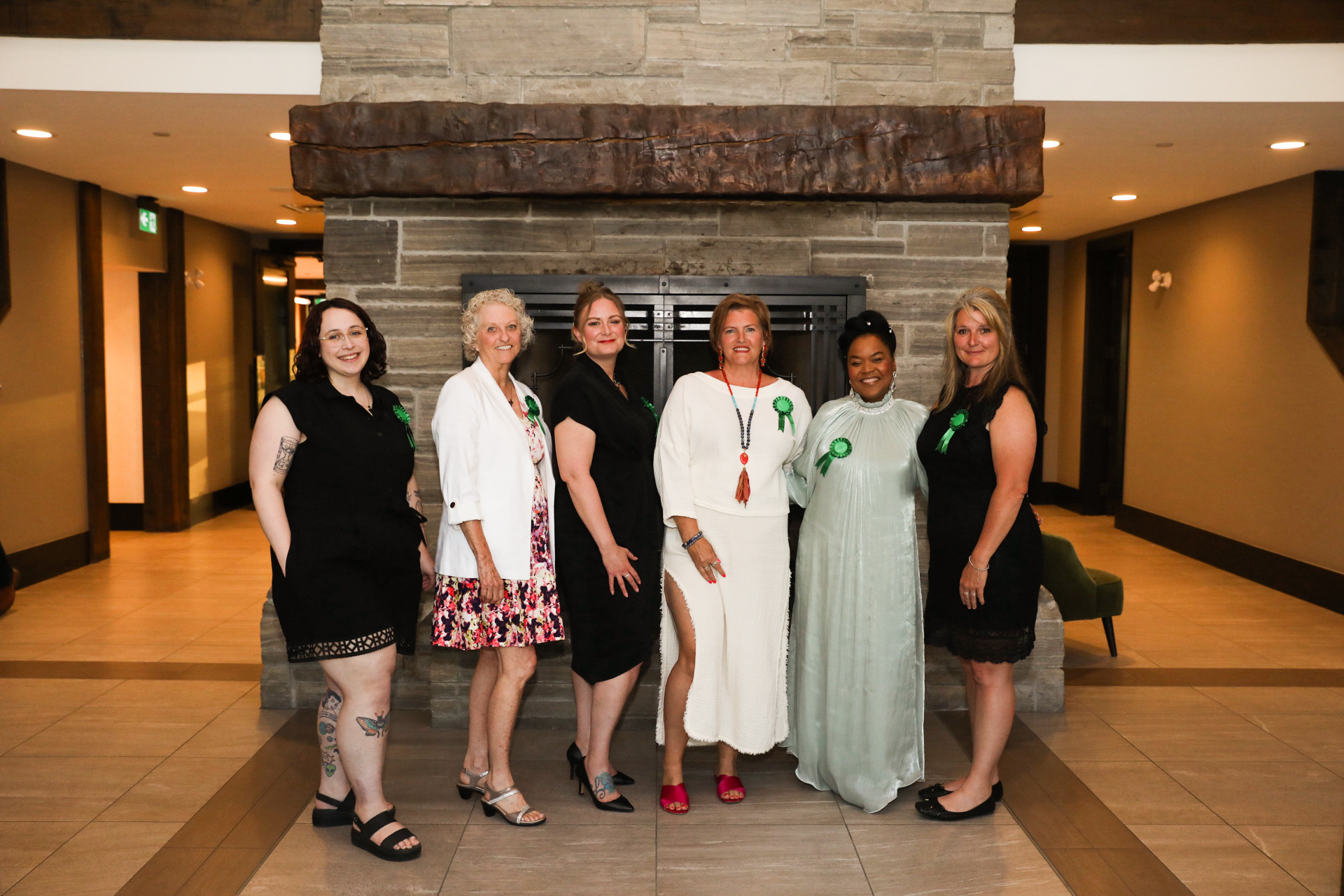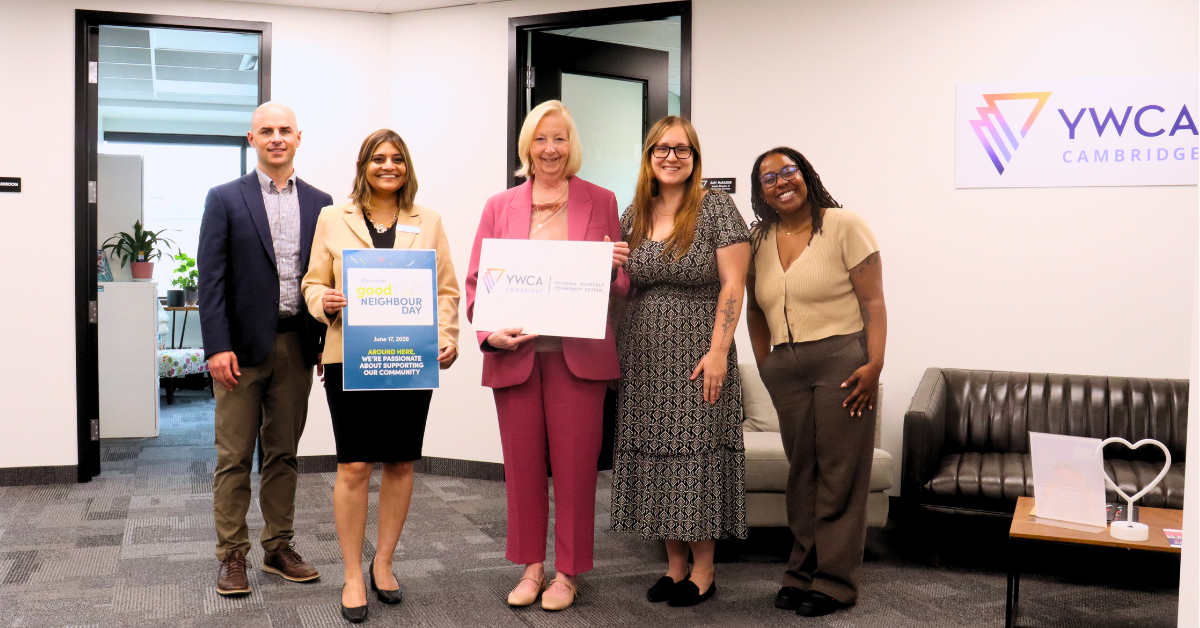
On June 22, 2026, YWCA Cambridge officially submitted our formal brief to the National Housing Council Review Panel on the Lack of Accessible Housing in Canada. Grounded in our daily work at Cambridge’s first and only emergency shelter dedicated to women, our submission shines a light on a growing crisis in our community: the systemic displacement of senior women and women living with disabilities.
Below is our full submission. A PDF version can be found here.
Advancing the Right to Accessible Housing for Senior Women and Women with Disabilities
Introduction
YWCA Cambridge is a multiservice nonprofit organization, operating in Cambridge and North Dumfries, Ontario. We are a member association of YWCA Canada, Canada’s oldest and largest gender equity organization and largest provider of women’s shelter and housing. We provide a range of programs and services all aimed at meeting the changing needs of women, girls, and gender-diverse individuals, including licensed child employment and skills training, gender-based violence prevention, and emergency shelter and housing transition support for women experiencing homelessness.
Since February 2025, YWCA Cambridge has operated the first and only emergency homeless shelter dedicated to women in the City of Cambridge. Through our shelter services, we are witnessing a growing number of women experiencing homelessness for the first time, particularly senior women and women living with disabilities.
This submission draws on our frontline experience supporting women experiencing homelessness and housing instability in Cambridge, Ontario. While our observations are local, the challenges we describe reflect broader systemic barriers affecting women across Canada. We recognize that disability encompasses a broad range of physical, sensory, cognitive, intellectual, developmental, and mental health-related disabilities. However, our direct experience is primarily with women facing mobility-related accessibility barriers, and this submission reflects that perspective.
We welcome the National Housing Council Review Panel’s examination of accessible housing as a human rights issue. Accessible housing is not simply a matter of building design. For many women, accessibility is shaped by the intersection of physical accessibility, affordability, income security, discrimination, and the ability to access and maintain housing over time. A housing system cannot be considered accessible if the people who most need accessible homes cannot obtain them.
Accessible Housing Through a Gender and Human Rights Lens
The National Housing Strategy Act recognizes housing as a fundamental human right. However, the lack of accessible housing in Canada disproportionately affects groups who already experience structural disadvantage, including women, seniors, and people with disabilities.
A Gender-Based Analysis Plus (GBA+) approach highlights how these barriers intersect.
Women generally have lower lifetime earnings than men, are more likely to undertake unpaid caregiving responsibilities, experience interruptions in workforce participation, and retire with lower pension incomes. Women also have longer life expectancies and are more likely to live alone in older age. As a result, senior women are more likely to experience housing insecurity following major life transitions such as widowhood, relationship breakdown, illness, disability, or the loss of a caregiver.
For women living with disabilities, these vulnerabilities are compounded. Accessible housing shortages increase the risk of institutionalization, social isolation, housing instability, and homelessness. For women who are both aging and living with disabilities, the barriers are often cumulative and mutually reinforcing.
Our experience suggests that the accessible housing crisis is therefore both an accessibility issue and a gender equity issue. It cannot be addressed solely through building standards; it must also address the economic and systemic barriers that prevent women from securing and maintaining housing.
Local Context: Housing and Homelessness in Cambridge
The Region of Waterloo’s 2024 Point-in-Time Count identified 2,371 individuals experiencing homelessness. Women represented 34 per cent and gender diverse individuals 2 per cent of those counted.
However, homelessness among women is frequently underrepresented in official counts. Research consistently demonstrates that women often experience homelessness differently than men, including through hidden homelessness, couch surfing, staying in unsafe relationships, or avoiding shelter systems due to safety concerns.
In Cambridge, women face a particular service gap. Until 2025, there was no emergency shelter dedicated to women. The city continues to have limited transitional, supportive, and deeply affordable housing options specifically designed to meet the needs of women. As a result, many women experiencing housing instability remain largely invisible within traditional homelessness systems and therefore uncounted.
Our frontline staff have observed a growing number of older women entering homelessness for the first time following life events such as the death of a spouse, declining health, disability, family breakdown, or financial hardship. Many require accessible housing but encounter significant barriers in locating suitable units.
Barrier 1: Insufficient Accessible Housing Supply
The most significant challenge facing many women with disabilities is the limited availability of accessible housing itself.
Much of Cambridge’s rental stock consists of older homes, duplexes, triplexes, and converted units that were not designed with accessibility in mind. Units advertised as ground-floor or basement apartments frequently contain barriers such as stairs, narrow hallways, inaccessible washrooms, or entrances that cannot accommodate mobility devices.
For women using wheelchairs, walkers, scooters, or other mobility aids, these barriers can render otherwise affordable housing inaccessible.
While newer purpose-built rental buildings may offer more accessible features, the number of available accessible units remains extremely limited relative to demand. Furthermore, accessibility is often interpreted narrowly, focusing on minimum building code requirements rather than universal design principles that support aging in place and long-term adaptability.
Housing that is technically compliant with accessibility standards may still fail to meet the needs of seniors and people with disabilities if it lacks features such as wider turning radii, reinforced walls for future modifications, adaptable kitchens, accessible transit connections, or proximity to health and community supports.
Barrier 2: The Intersection of Accessibility and Affordability
Accessibility cannot be separated from affordability.
Many women who require accessible housing live on fixed incomes derived from pensions, disability benefits, or income assistance. For senior women, widowhood often results in a significant decline in household income. Women who spent substantial portions of their lives in caregiving roles may have limited retirement savings and reduced pension entitlements.
As a result, even when accessible housing exists, it is often financially out of reach.
Our housing support staff regularly encounter women who require accessible housing but are unable to afford market rents in newer buildings. The shortage of deeply affordable and accessible housing forces many women into unsafe housing situations, institutional settings, or homelessness.
The right to accessible housing must therefore include access to housing that is both physically accessible and financially attainable.
Barrier 3: Administrative and Screening Barriers
Our frontline experience also suggests that some women face significant barriers during the housing application process itself.
Many senior women entering homelessness have limited independent credit histories due to historical gender roles and financial arrangements that concentrated household financial accounts under a spouse’s name. Others may experience temporary financial hardship following widowhood, illness, or housing loss.
Housing transition staff frequently encounter situations where women struggle to satisfy standard screening requirements despite having stable income sources through pensions, disability benefits, or government supports.
These experiences raise important questions about whether existing tenant screening practices adequately account for the realities facing seniors, women leaving homelessness, and people with disabilities.
The Review Panel may wish to consider how tenant screening practices interact with accessibility objectives. Increasing the supply of accessible housing alone will not fully advance the right to housing if vulnerable populations continue to face barriers in accessing available units.
Barrier 4: Accessible Housing Requires More Than Physical Design
Accessible housing extends beyond the design of individual units.
Many women supported by YWCA Cambridge require housing that is connected to broader systems of care and support, including:
- accessible transportation;
- community health services;
- home care and personal support services;
- social supports;
- mental health services; and
- violence prevention supports.
Housing that is physically accessible but disconnected from essential supports may not enable individuals to live safely and independently.
A human rights approach to accessibility must recognize both the physical and social dimensions of accessibility.
Recommendations
- Establish Stronger Federal Accessibility Requirements for National Housing Strategy Investments
The federal government should require all housing projects receiving federal funding, financing, land contributions, or support through federal housing programs to meet enhanced accessibility and universal design standards that exceed minimum building code requirements.
These standards should support aging in place, long-term adaptability, and a broad range of disability-related needs.
- Create Dedicated Funding Streams for Accessible and Affordable Non-Market Housing
The federal government should establish dedicated capital funding streams for the development of accessible, deeply affordable, non-market housing, including public, nonprofit, co-operative, supportive, and community housing models.
Priority should be given to projects serving seniors, women with disabilities, and women exiting homelessness.
- Invest in Accessibility Retrofits and Preservation of Existing Housing
Given the age of Canada’s housing stock, increasing accessibility cannot rely solely on new construction.
The federal government should expand funding programs that support accessibility retrofits in existing rental housing, community housing, and nonprofit housing developments to preserve and increase accessible housing supply.
- Improve Accessibility Accountability Across Federally Funded Housing Programs
The federal government should establish transparent reporting requirements for federally funded housing projects, including public reporting on:
- the number of accessible units created;
- accessibility features provided;
- occupancy rates for accessible units; and
- outcomes for priority populations.
This would strengthen accountability for the realization of the right to accessible housing.
- Promote Equitable Access to Housing Through Inclusive Tenant Screening Practices
The federal government should explore conditions attached to federal financing that encourage housing providers to consider alternative measures of housing readiness and financial stability, particularly for seniors, persons with disabilities, and individuals transitioning from homelessness.
Stable pension income, disability benefits, rental payment history, and housing support programs should be recognized as indicators of housing stability.
- Apply a GBA+ Framework Across Federal Housing Programs
All federal housing initiatives should incorporate Gender-Based Analysis Plus (GBA+) to ensure that housing policies recognize the distinct experiences of women, seniors, persons with disabilities, Indigenous women, racialized women, newcomers, and gender-diverse people.
Accessible housing policy must address the intersecting factors that shape housing outcomes.
Conclusion
The lack of accessible housing in Canada represents a significant human rights challenge. For senior women and women with disabilities, inaccessible housing contributes to exclusion, poverty, social isolation, and homelessness.
Our experience in Cambridge demonstrates that accessibility cannot be understood solely as a matter of physical design. Accessible housing must also be affordable, available, attainable, and connected to the supports that allow people to live independently and with dignity.
A rights-based approach requires governments to address both the shortage of accessible housing and the systemic barriers that prevent vulnerable populations from accessing it. Through stronger accessibility standards, increased investment in non-market housing, expanded retrofit programs, and the application of a GBA+ lens across housing policy, the federal government can take meaningful steps toward realizing the right to accessible housing for all.