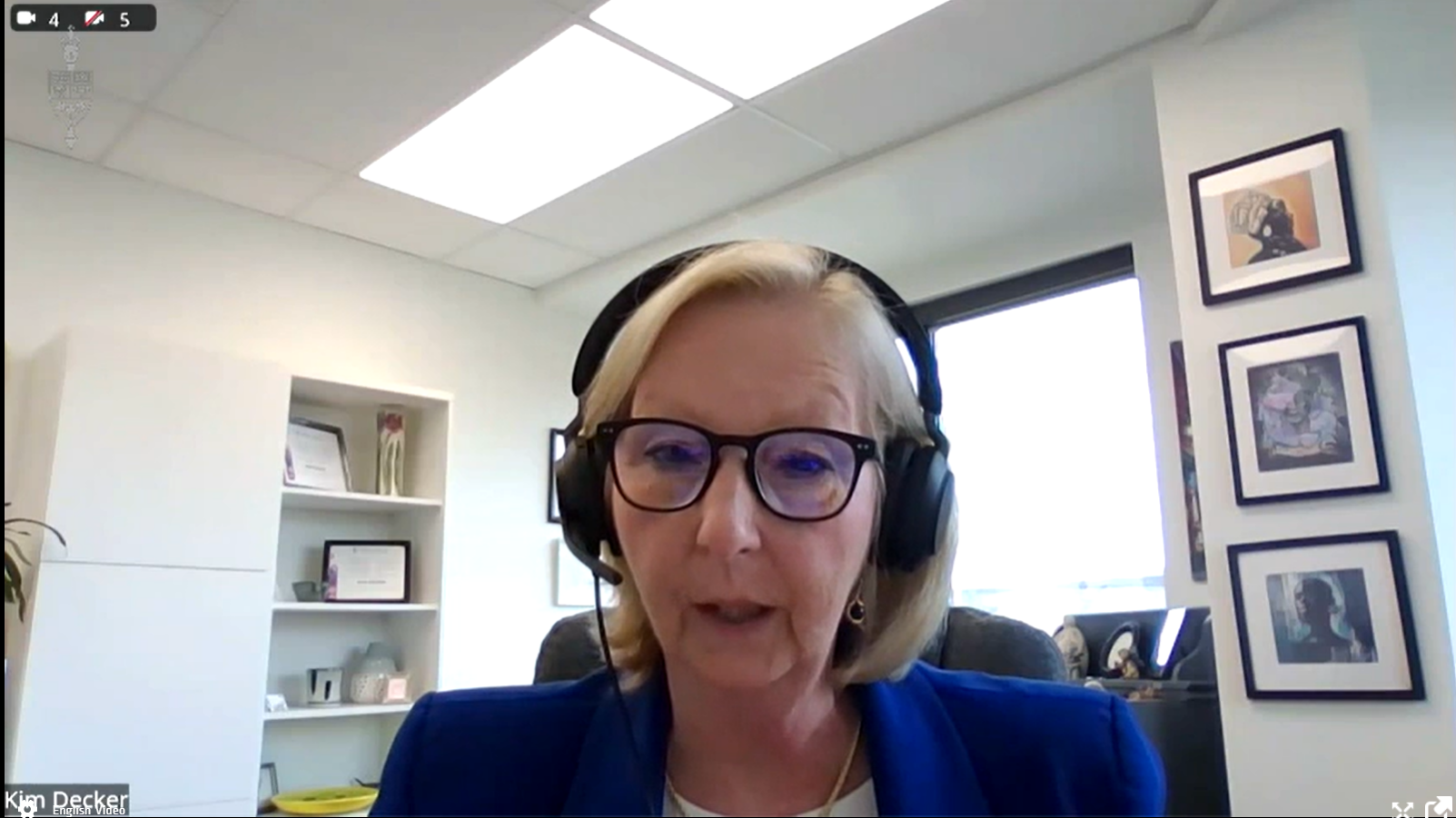
On June 2, YWCA Cambridge CEO Kim Decker appeared as an expert witness before the House of Commons Standing Committee on the Status of Women (FEWO) for their study on the role and capacity of women’s shelters and transitional housing in Canada.
In her remarks, Kim spoke to the fact that housing policy is violence prevention policy, and that women’s homelessness and violence against women are two sides of the same coin. Violence is a key driver of women’s homelessness and the lack of deeply affordable and adequate housing is what drives longer stays at both violence against women and homeless shelters.
Thank you to the Committee members for their vital work on this study, and our sincere thanks to our local Cambridge MP, Connie Cody, for inviting us to bring our community’s front-line expertise to this study.
A Transcript of Kim’s remarks are below, and a recording can be found here.
——
Honourable Chair and members of the Committee, thank you for the opportunity to contribute to this study. My name is Kim Decker, and I am the CEO of YWCA Cambridge. We are a member association of YWCA Canada, the nation’s oldest and largest gender equity organization and the largest provider of housing and shelter for women and gender-diverse people.
YWCA Cambridge operates the first and only women’s emergency shelter for unhoused women in Cambridge. Our own research led us to build a model that differs significantly from traditional overnight-only emergency shelters. We operate a 24/7 facility with onsite, wraparound supports. We do this because our own local research – the findings of which are echoed by provincial and national research – reveals that nearly two thirds of women experiencing homelessness experience violence on a weekly basis. This, then, tells us that forced daytime discharge is unsafe and makes it impossible to have any semblance of stability, therefore increasing risks of violence and other challenges in the shelter. The overnight-only service model is a key reason why homeless shelters have the reputation of being so unsafe. That is, it’s not the service; it’s the funding model.
I want to speak about the problematic and artificial distinction between homeless shelters and domestic violence shelters. A woman staying in a violence against women (VAW) shelter is homeless. If she had a safe alternative, she would be there. Yet funders and policymakers continue treating these as two separate systems. This silos funding and results in a significant discrepancy in the level of support a woman receives depending on which door she enters. This distinction is rooted in an outdated belief that someone leaving abuse is more worthy of support than someone who loses their housing for other reasons – or, indeed, someone who loses their housing before they can access a VAW shelter.
This system failure is hidden by current data collection methods. Federally-mandated Point-in-Time counts focus on street homelessness, which is more visible and tends to be male-dominated. Women are far more likely to experience hidden homelessness—couch-surfing, staying in unsafe situations, or remaining with an abusive partner to avoid the street. Further, because there are fewer shelter beds and services dedicated to women, they are effectively invisibilized. More than one million women in Canada have experienced this form of housing insecurity. Because they are not visible on a sidewalk and there are fewer shelter beds for them versus men – a key source of Point-In-Time data – they are uncounted and, consequently, unfunded.
Housing insecurity is not only a result of violence, but a major driver of it. Without a front door that locks, women are forced into survival sex or other exploitative situations just to secure a roof for the night to avoid the often greater or at least less predictable risks of violence. Since opening our shelter in February 2025, we have been at capacity, and since August 2025 when we began tracking this number, we have had to turn away more than 215 requests for service because we were full. There was and is still nowhere else in our city to direct these women.
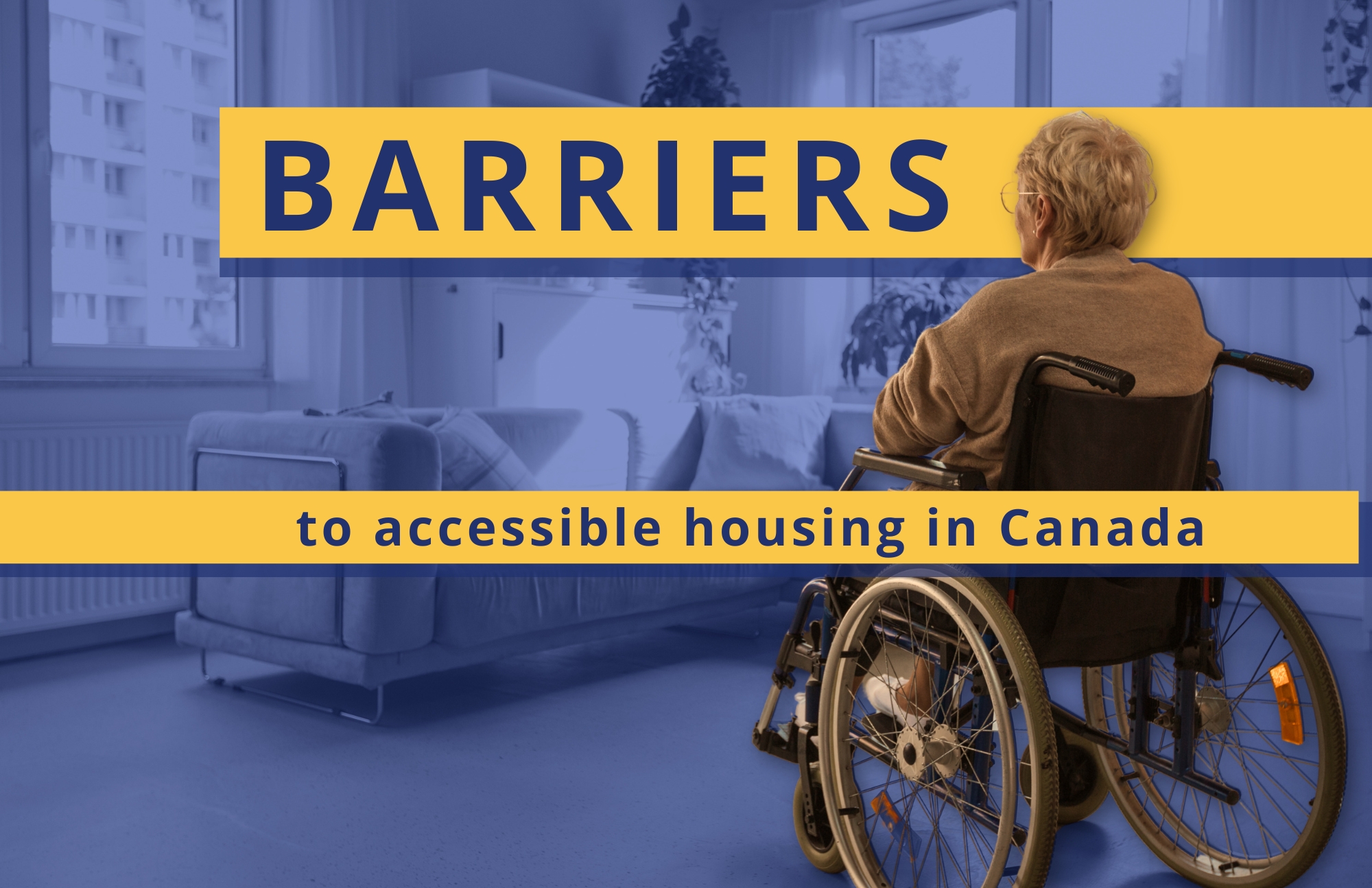
We also see a growing crisis of accessibility that disproportionately affects unhoused senior women, a demographic increasingly falling into homelessness. National data shows that only 66% of women’s shelters have wheelchair-accessible rooms. For the 79% of women in housing need who live with a disability, the system is physically inaccessible. It is also important to note that housing that is both accessible and affordable is nearly impossible to find – in fact, a significant factor in the lengthening terms of stays in shelters is because there is no appropriate housing into which women can move.
The National Housing Strategy is seven years in, yet significant gender equity gaps remain. Across Canada, there are 4,820 emergency shelter beds dedicated to men, compared to just 2,092 for women. To address this, the federal government must formally expand the definition of homelessness in the Reaching Home strategy to include hidden homelessness. We need a mandatory gender-based carve-out in the National Housing Strategy that reflects the actual scale of women’s housing need. Federal infrastructure funding must be contingent on universal design standards to ensure that seniors and women with disabilities are never turned away because a facility lacks an elevator or an accessible washroom. And, finally, we must stop dichotomizing homelessness and violence against women – they are two sides of the same coin.
Thank you, and I look forward to your questions.